Yin Yoga Classes in Putney, SW15
Slow down. Go deep. Let the practice do the work.
Try 21 days for £50 See Yin classesIs Yin for me?
The yoga of stillness — with depth.
Yin yoga involves holding floor-based postures for three to five minutes — sometimes longer. Unlike more active styles, the muscles are kept relatively relaxed, which allows a slow, sustained stress to reach the deeper connective tissue: fascia, ligaments, tendons and joints.
The idea is that this deeper tissue, which responds too slowly to benefit from faster-paced yoga, needs time and stillness to open. The results — greater mobility, reduced stiffness, and a quieter nervous system — often surprise people who expect yoga to be mainly about movement.
In a Yin class at Phoenix, each posture is introduced with guidance on where you should feel it, what to look for as the body settles, and when to make small adjustments. Breathing is central. The room is usually quieter than in dynamic classes, and time between poses allows the body to integrate.
Most people find their first Yin class a revelation — either because of the physical release, or because of how calm they feel at the end of it.
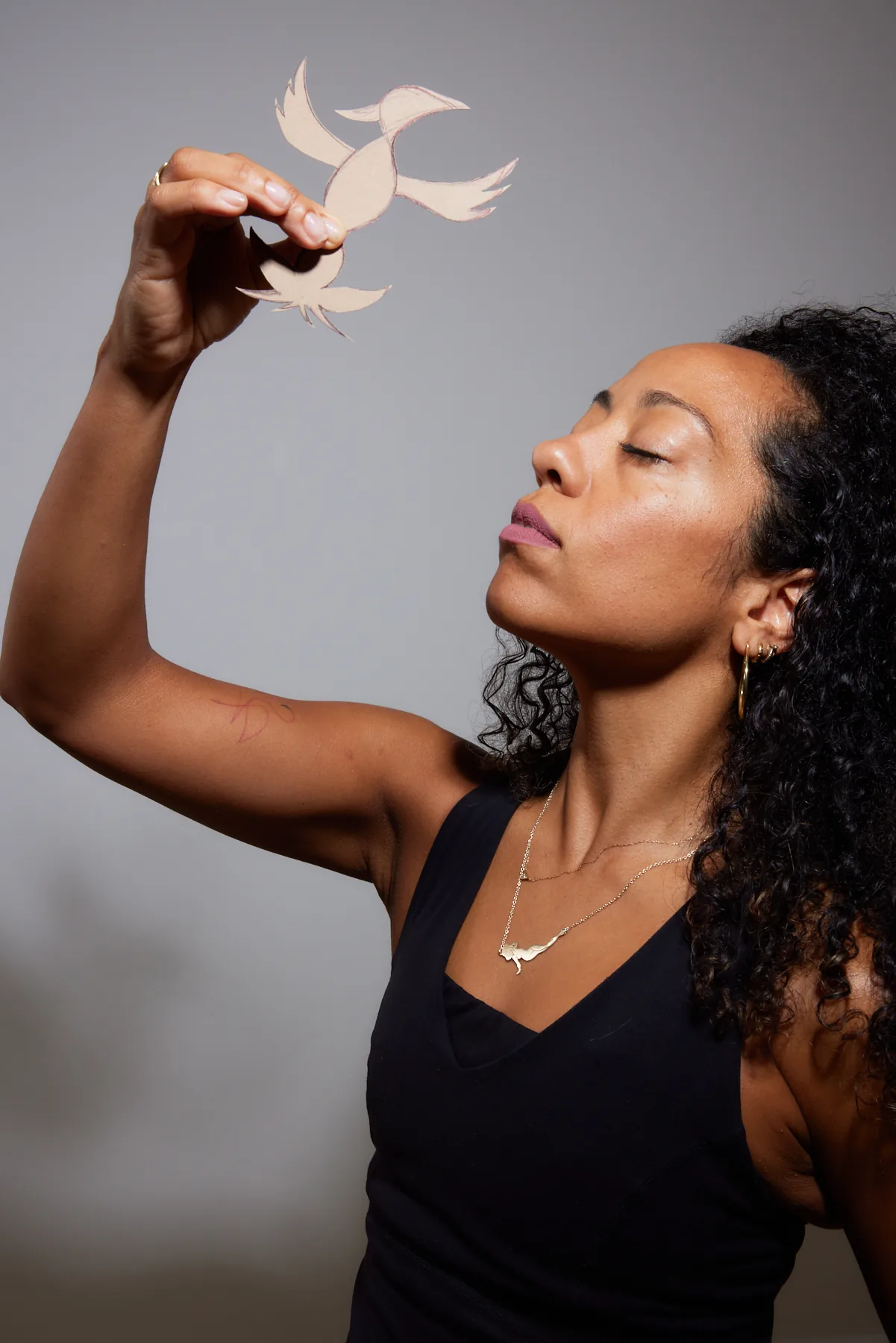
Sumaya teaches Yin at Phoenix.
Sumaya teaches Yin through movement, breathing and meditation. Her classes are quiet without being passive, and she gives students time to settle into each pose.
Zara teaches music-led Yin and Yin-Yang Flow. Her classes combine stronger movement with longer, quieter holds. See all our teachers →
What an hour of Yin in this studio actually feels like.
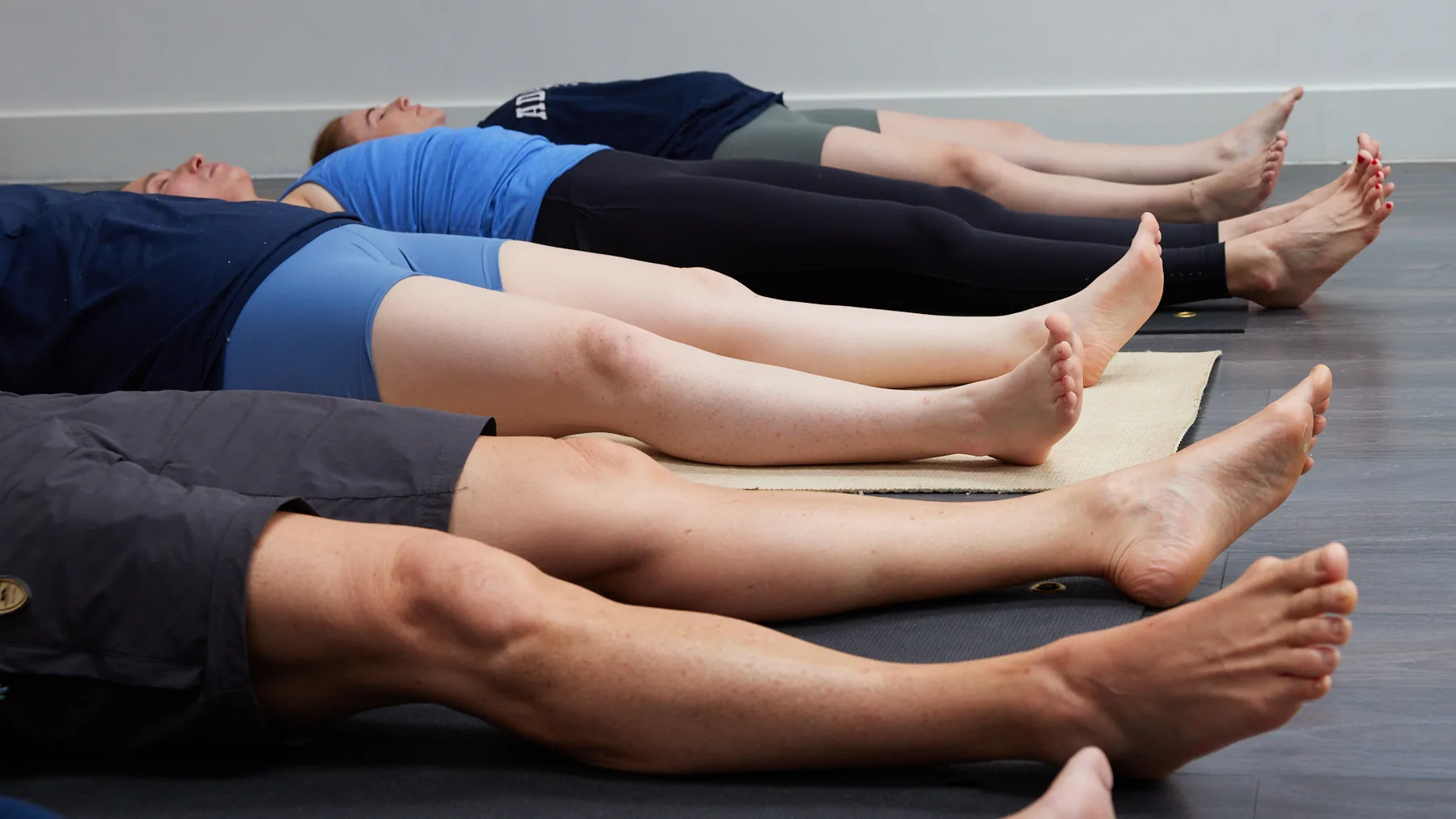
You lie down on the wooden floor, and you stay there. Five minutes into a hip opener, something starts to give.
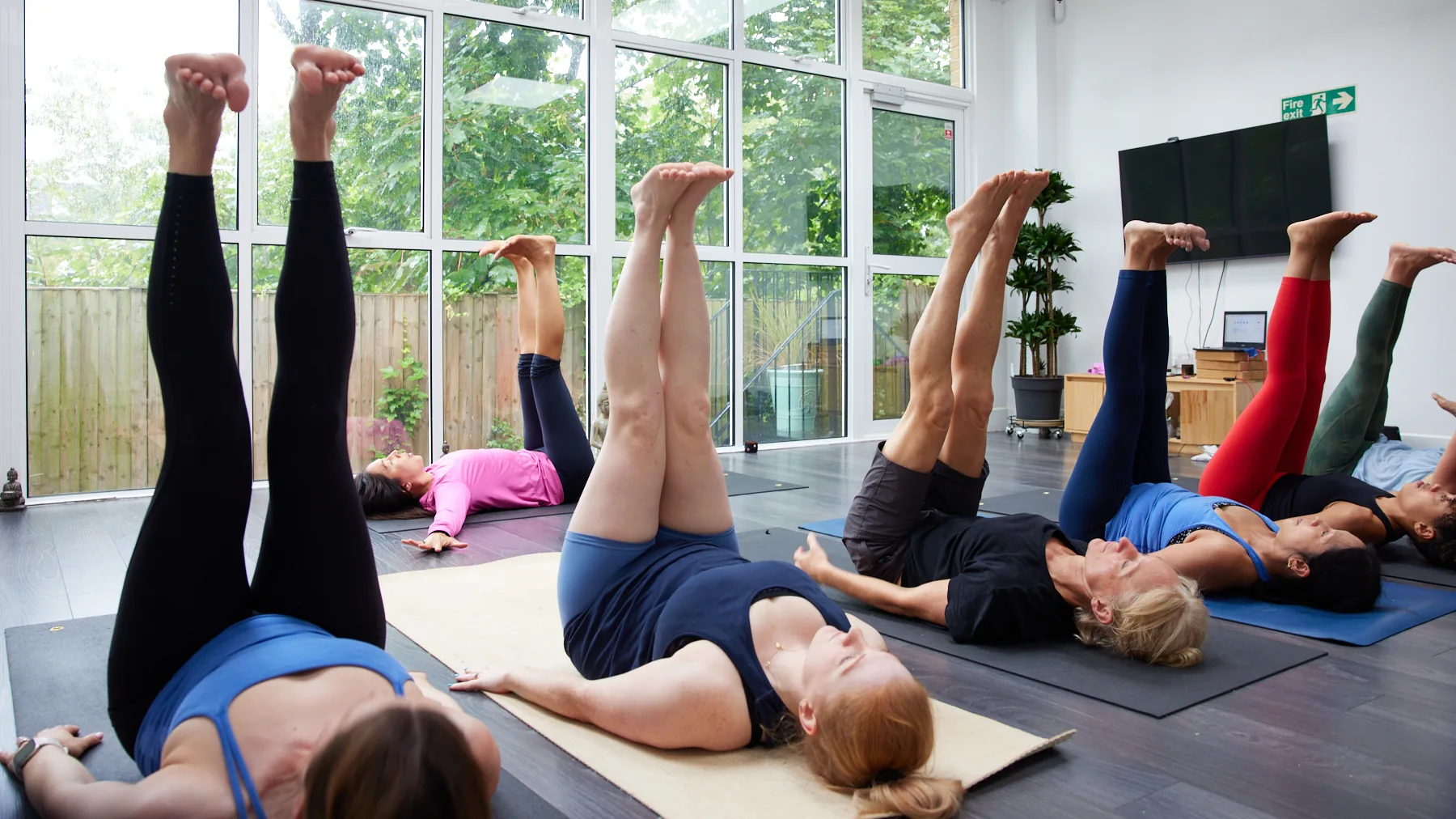
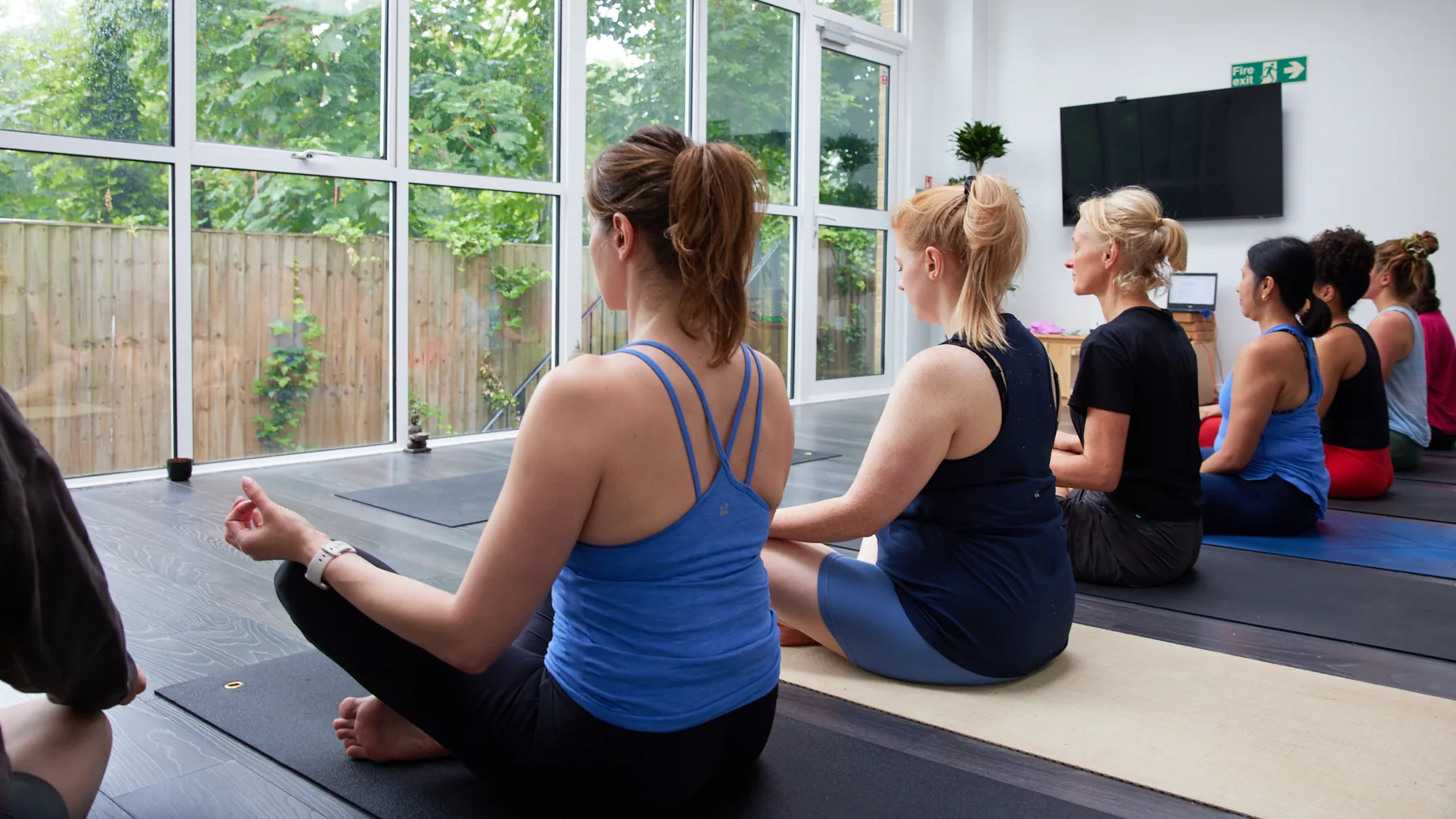
You arrive off Upper Richmond Road. The studio is quiet — no music, or something very soft. The bolsters and blocks are already laid out. You choose a spot, take off your shoes, and settle. The teacher explains the first pose. You find your edge. And then you wait.
Long Yin holds can feel uncomfortable at first, so teachers offer props and alternatives. Many students notice that their body settles as the pose continues and that they leave feeling less tense.
Most people sit in Savasana for a long time afterwards. Most people book again.
Deeper than a stretch.
Yin reaches the parts of the body that other yoga styles can’t always get to — and it has a measurable effect on the nervous system too.
Connective tissue health
Long-held poses stimulate the fascia and ligaments in a way that short holds don’t reach. The result is improved joint mobility and reduced stiffness, particularly in the hips, lower back and shoulders.
A slower, calmer pace
The unhurried holds and steady breathing give you time to settle. Many people report feeling calmer or sleeping more easily after regular practice, although everyone responds differently.
Mindfulness on the mat
Staying in one position for minutes at a time teaches you to observe discomfort without reacting — a skill that translates directly off the mat. Yin is as much a meditation practice as a physical one.
Yin is a good fit if…
People come to Yin from many different starting points. Here are some of the most common.
You carry chronic tightness in the hips, lower back or shoulders
You’re an athlete or runner looking to balance a demanding training load
You feel stressed or overstimulated and want something that actively calms you
You want a meditation practice but find sitting still very difficult
You’re recovering from injury and need a gentle, joint-focused approach
You already do a dynamic yoga practice and want to balance it out
Common questions
In Yin, floor-based poses are usually held for three to five minutes or longer. The longer holds place more load through fascia, ligaments and joints than a typical muscle-led flow class.
Yes — Yin is one of the most accessible styles for beginners. The pace is slow, poses are supported, and your teacher will always offer modifications. It’s also deeply calming, which can make it easier to settle into than a faster-paced practice.
Not at all. Yin works with your body exactly as it is. The goal isn’t to get into a ‘perfect’ shape — it’s to find an appropriate edge and breathe.
Many people find one to two Yin classes a week works well — either alongside a more dynamic practice, or on its own. It’s gentle enough to do frequently, and the restorative benefits accumulate over time.
Both are slow and floor-based, but there are key differences. Yin poses involve mild, intentional sensation within a comfortable range. Restorative yoga uses props to fully support the body with no active effort. Both have their place.
A slower practice during stressful periods
The long, supported holds — typically three to five minutes — create time to slow down and notice the breath. Many people find that pace calming during stressful periods, but yoga is not a substitute for medical or mental-health care.
Also at Phoenix Yoga: Vinyasa Yoga, Hatha Yoga, Restorative Yoga and Breathwork
You may also like.
Stay with a quieter practice or add a little more structure. These classes sit naturally beside Yin.
Come and slow down.
Try unlimited classes for 21 days — Yin, Vinyasa, Hatha and more.
See the 21-day intro offer